আধুনিক শহুরে অবকাঠামোর মধ্যে, পরিবহন নেটওয়ার্কগুলি এখন কেবল যানবাহন সরানোর জন্য নয়, তারা ডেটা পরিচালনা, সুরক্ষা নিশ্চিতকরণ এবং রিয়েল-টাইম সিদ্ধান্ত গ্রহণের অনুমতি দেয়।
এই রূপান্তরের কেন্দ্রবিন্দুতে রয়েছে ইন্টেলিজেন্ট ট্রান্সপোর্টেশন সিস্টেম (আইটিএস), যেখানে সংযোগ, শক্তি এবং নির্ভরযোগ্যতাকে একীভূত স্থাপত্যের মধ্যে একত্রিত করতে হবে।
ঐতিহ্যবাহী নেটওয়ার্ক ডিজাইন শুধুমাত্র ডেটা ট্রান্সমিশন উপর দৃষ্টি নিবদ্ধ করা হয়।
তবে আজ, পাওয়ার ডেলিভারি, নেটওয়ার্ক রিডান্ডান্সি এবং এজ ইন্টেলিজেন্স সমানভাবে গুরুত্বপূর্ণ।
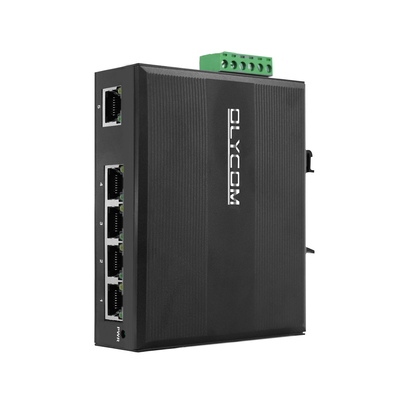
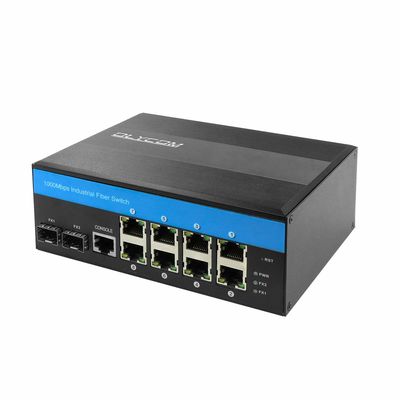
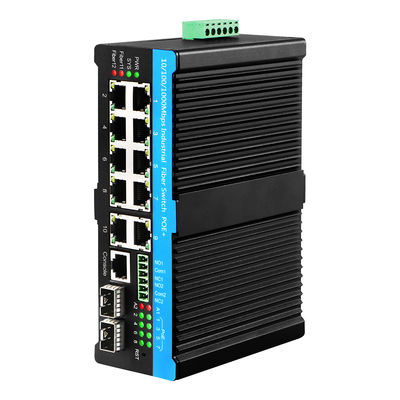
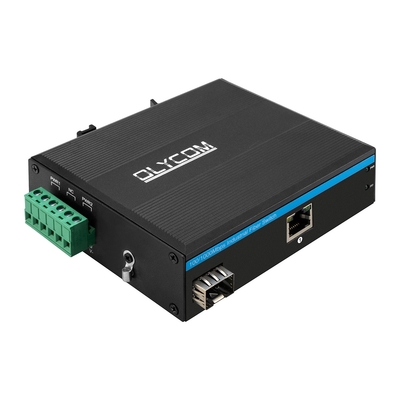
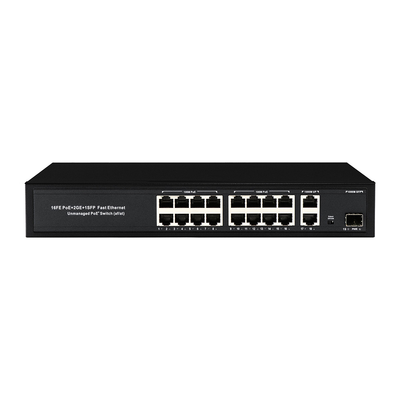
ইন্ডাস্ট্রিয়াল PoE স্যুইচIM-FP288GW০ কেবল সংযোগের ডিভাইস নয়; তারা পরবর্তী প্রজন্মের আইটিএস স্থাপনের মেরুদণ্ড।

1. রিং টোপোলজিঃ নির্ভরযোগ্য আইটিএস নেটওয়ার্কগুলির ভিত্তি
পরিবহন পরিবেশে, নেটওয়ার্ক ডাউনটাইম গ্রহণযোগ্য নয়।
ট্রাফিক সিস্টেমগুলিকে ত্রুটি বা বিঘ্ন নির্বিশেষে অবিচ্ছিন্নভাবে কাজ করতে হবে।
রিং টোপোলজি কেন গুরুত্বপূর্ণ?
চিত্রটি একটি ফাইবার রিং নেটওয়ার্ককে চিত্রিত করে, যেখানে একাধিক আইএম-এফপি 288 জিডাব্লু শিল্প সুইচগুলি একটি বন্ধ লুপ গঠনের জন্য আন্তঃসংযুক্ত।
প্রধান সুবিধা:
দ্রুত পুনরুদ্ধারের সময় (সাধারণত <20ms)
লিঙ্ক ব্যর্থতার ক্ষেত্রে স্বয়ংক্রিয় পথ পরিবর্তন
উচ্চ নেটওয়ার্ক উপলব্ধতা
বাস্তব জগতে প্রভাব
ট্রাফিক কন্ট্রোল সিস্টেমেঃ
যদি একটি ফাইবার লিংক কেটে যায়, তাহলে ডাটা তাত্ক্ষণিকভাবে পুনরায় রুট করা হয়
ক্যামেরা, এলইডি ডিসপ্লে এবং নিয়ন্ত্রণ সংকেতগুলি নিরবচ্ছিন্নভাবে কাজ করে চলেছে
এটি আইটিএস ব্যাকবোন নেটওয়ার্কের জন্য রিং টোপোলজিকে স্ট্যান্ডার্ড আর্কিটেকচার করে তোলে।
2. বিতরণকৃত গোয়েন্দা সঙ্গে কেন্দ্রীয় ট্রাফিক নিয়ন্ত্রণ
আর্কিটেকচারের শীর্ষে রয়েছে ট্রাফিক কন্ট্রোল সেন্টার, যা ফাইবারের মাধ্যমে ফিল্ড ডিভাইসের সাথে সংযুক্ত।
সিস্টেমের বৈশিষ্ট্য
কেন্দ্রীয় পর্যবেক্ষণ ও ব্যবস্থাপনা
রিয়েল-টাইম ভিডিও এবং ডেটা সমষ্টি
প্রান্তিক ডিভাইসগুলির দূরবর্তী কনফিগারেশন
তবে, আধুনিক আইটিএস সিস্টেমগুলি এখন সম্পূর্ণ কেন্দ্রীভূত নয়।
এজ ইন্টেলিজেন্স ট্রেন্ড
IM-FP288GW এর মাধ্যমে সংযুক্ত ডিভাইসগুলির সাহায্যে, বুদ্ধিমত্তা ক্ষেত্রের কাছাকাছি ধাক্কা দেওয়া হয়ঃ
ক্যামেরা স্থানীয়ভাবে ভিডিও প্রক্রিয়া করে (এআই বিশ্লেষণ)
এলইডি ডিসপ্লে অবিলম্বে অবস্থার প্রতিক্রিয়া
ফিল্ড সুইচগুলি ট্র্যাফিকের অগ্রাধিকার পরিচালনা করে
এই হাইব্রিড আর্কিটেকচার নিশ্চিত করেঃ
কম বিলম্ব
কম ব্যান্ডউইথ খরচ
দ্রুত প্রতিক্রিয়া সময়
3. PoE ডিপ্লয়মেন্টঃ পাওয়ার + ডেটা একক তারের মাধ্যমে
চিত্রটিতে দেখানো সবচেয়ে গুরুত্বপূর্ণ দিকগুলির মধ্যে একটি হল PoE (পাওয়ার ওভার ইথারনেট) প্রয়োগ।
সংযুক্ত ডিভাইস
পিওই আইপি ক্যামেরা
এলইডি ট্রাফিক ডিসপ্লে
রাস্তার পাশের সেন্সর
আইটিএস-এ কেন পিওই অপরিহার্য?
বাইরের এবং রাস্তার পাশের পরিবেশেঃ
এসি পাওয়ার অ্যাক্সেস সীমিত বা ব্যয়বহুল
ইনস্টলেশনের জটিলতা যতটা সম্ভব কমিয়ে আনতে হবে
রক্ষণাবেক্ষণ দক্ষ হতে হবে
ব্যবহারIM-FP21008GWPoE পোর্ট, সিস্টেম প্রদান করেঃ
এক ইথারনেট ক্যাবলে পাওয়ার + ডেটা
সরলীকৃত ইনস্টলেশন
অবকাঠামো খরচ হ্রাস
4. আধুনিক আইটিএস ডিভাইসের জন্য হাই-পাওয়ার পিওই
আধুনিক আইটিএস সরঞ্জামগুলির জন্য ঐতিহ্যবাহী পিওই আর যথেষ্ট নয়।
ডিভাইস পাওয়ার বিবর্তন
|
ডিভাইসের ধরন
|
সাধারণ শক্তি
|
|
বেসিক আইপি ক্যামেরা
|
৮ ০১২ ওয়াট
|
|
পিটিজেড ক্যামেরা
|
২০ ০৩০ ওয়াট
|
|
এআই ক্যামেরা + আইআর
|
৩০ ০৬০ W
|
|
LED ডিসপ্লে প্যানেল
|
30W+
|
পর্যাপ্ত শক্তি ছাড়া চ্যালেঞ্জঃ
ক্যামেরা নাইট ভিজন হারায় (আইআর নিষ্ক্রিয়)
পিটিজেড ফাংশন অস্থির হয়ে ওঠে
ডিসপ্লে কম উজ্জ্বলতায় কাজ করে
সমাধানঃ শিল্প PoE সুইচ (IM-FP288GW)
উচ্চ-শক্তির PoE আউটপুট সমর্থন করে
ডিভাইসের স্থিতিশীল অপারেশন নিশ্চিত করে
পারফরম্যান্স সমঝোতা দূর করে
এটি সীমাবদ্ধতা ছাড়াই পূর্ণ-কার্যকারিতা ITS স্থাপনের অনুমতি দেয়।
5দীর্ঘ দূরত্বের ট্রান্সমিশনের জন্য ফাইবার + ইথারনেট একীকরণ
আইটিএস নেটওয়ার্কগুলি প্রায়শই রাস্তার কিলোমিটার জুড়ে বিস্তৃত হয়, যার জন্য নিম্নলিখিতগুলির সংমিশ্রণ প্রয়োজনঃ
ফাইবার অপটিক্স (ব্যাকবোন ট্রান্সমিশনের জন্য)
ইথারনেট PoE (এন্ডপয়েন্ট সংযোগের জন্য)
আর্কিটেকচার ওভারভিউ
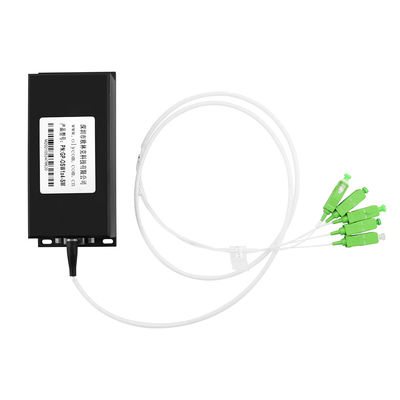
ফাইবার দীর্ঘ দূরত্ব জুড়ে IM-FP288GW সুইচ সংযোগ করে
ইথারনেট স্থানীয় ডিভাইস (ক্যামেরা, ডিসপ্লে) সংযুক্ত করে
সুবিধা
দীর্ঘ দূরত্বে উচ্চ ব্যান্ডউইথ
ইলেক্ট্রোম্যাগনেটিক হস্তক্ষেপের প্রতিরোধ ক্ষমতা
কঠোর পরিবেশে স্থিতিশীল কর্মক্ষমতা
স্মার্ট সিটি এবং হাইওয়ে স্থাপনের জন্য এই হাইব্রিড পদ্ধতি অপরিহার্য।
6আউটডোর এবং ইন্ডাস্ট্রিয়াল গ্রেড নির্ভরযোগ্যতা
নেটওয়ার্ক সরঞ্জামগুলির জন্য পরিবহন পরিবেশগুলি সবচেয়ে কঠোর।
সমস্যা
চরম তাপমাত্রা
ধুলো এবং আর্দ্রতা
বৈদ্যুতিক হস্তক্ষেপ
কম্পন (ট্রাফিক, বায়ু, অবকাঠামো)
কেন ইন্ডাস্ট্রিয়াল স্যুইচিং গুরুত্বপূর্ণ
দ্যIM-FP488GWএর জন্য ডিজাইন করা হয়েছেঃ
বিস্তৃত তাপমাত্রা অপারেশন
শক্ত ধাতু ঘের
শিল্প-গ্রেডের উপাদান
স্থিতিশীল দীর্ঘমেয়াদী অপারেশন
এটি নিশ্চিত করে যে নেটওয়ার্কটি 24/7 মিশন-সমালোচনামূলক পরিস্থিতিতে কার্যকর থাকবে।
7. আইটিএস দ্বারা সক্ষম স্মার্ট ট্রাফিক অ্যাপ্লিকেশন
এই আর্কিটেকচারের সাহায্যে, একাধিক বুদ্ধিমান অ্যাপ্লিকেশন সম্ভব হয়ঃ
ট্রাফিক পর্যবেক্ষণ
রিয়েল-টাইম ভিডিও নজরদারি
ঘটনা সনাক্তকরণ
ট্রাফিক ফ্লো বিশ্লেষণ
গতিশীল তথ্য প্রদর্শন
এলইডি বার্তা বোর্ড
রিয়েল-টাইম সতর্কতা (দুর্ঘটনা, যানজট)
স্মার্ট প্রয়োগ
লাইসেন্স প্লেট স্বীকৃতি (এলপিআর)
গতি পর্যবেক্ষণ সিস্টেম
সমন্বিত নগর ব্যবস্থাপনা
বিভাগগুলির মধ্যে তথ্য ভাগ করে নেওয়া
কেন্দ্রীয় নিয়ন্ত্রণ প্ল্যাটফর্ম
এগুলি সবই একটি স্থিতিশীল, শক্তিশালী এবং বুদ্ধিমান নেটওয়ার্ক অবকাঠামোর উপর নির্ভর করে।
8. মালিকানার মোট ব্যয় হ্রাস (টিসিও)
যদিও শিল্প PoE সমাধানগুলি প্রাথমিকভাবে আরও ব্যয়বহুল বলে মনে হতে পারে, তবে তারা দীর্ঘমেয়াদী ব্যয়কে উল্লেখযোগ্যভাবে হ্রাস করে।
খরচ সুবিধা
আলাদা পাওয়ার ক্যাবলিং নেই
দ্রুত প্রয়োগ
কম রক্ষণাবেক্ষণ জটিলতা
হ্রাস ব্যর্থতা পয়েন্ট (কোন বহিরাগত অ্যাডাপ্টার)
অপারেশনাল বেনিফিট
সুইচ দিয়ে রিমোট ডিভাইস পুনরায় বুট করুন
কেন্দ্রীয় বিদ্যুৎ ব্যবস্থাপনা
সহজ সমস্যা সমাধান
এর ফলে আরও দক্ষ ও স্কেলযোগ্য আইটিএস নেটওয়ার্ক তৈরি হবে।
সিদ্ধান্ত
স্মার্ট ট্রান্সপোর্টেশন সিস্টেমগুলি শহরের গতিশীলতা, নিরাপত্তা এবং অবকাঠামো পরিচালনার পদ্ধতিকে রূপান্তরিত করছে।
কিন্তু প্রতিটি স্মার্ট অ্যাপ্লিকেশনের পিছনে একটি শক্তিশালী নেটওয়ার্ক ফাউন্ডেশন রয়েছে।
এর সমন্বয়ঃ
- রিডান্ডান্সির জন্য রিং টোপোলজি
- দীর্ঘ দূরত্বের ট্রান্সমিশনের জন্য ফাইবার
- সরলীকৃত স্থাপনার জন্য PoE
- আইএম-এফপি২৪৪জিডাব্লু এর মত ডিআইএন পয়ে সুইচ
এটি একটি শক্তিশালী, স্কেলযোগ্য এবং ভবিষ্যতের জন্য প্রস্তুত আইটিএস আর্কিটেকচার তৈরি করে।
এই নতুন দৃষ্টান্তে, নেটওয়ার্ক এখন শুধু যোগাযোগের স্তর নয়, এটি বুদ্ধিমান পরিবহণের মূল প্ল্যাটফর্ম হয়ে উঠেছে।


 আপনার বার্তাটি 20-3,000 টির মধ্যে হতে হবে!